
Dry Hair VS Oily Hair: How to Easily Solve Hairstyling Troubles

In the fast-paced city life, stress is high, and whether you have dry or oily hair, many people struggle with their hairstyle every day. Today, let’s talk about how to tackle styling problems according to different hair types, keeping your hair both healthy and stylish.
Characteristics and Common Troubles of Dry Hair
Dry hair lacks oil and moisture, making the ends prone to frizz and split ends, with an overall dull appearance. Common issues include:
Hard to style: Curls or straight styles easily become messy and unruly.
Tangles: Hair breaks easily when brushing in the morning.
Static problems: In dry seasons, hair becomes frizzy and “flyaway.”
Damage after coloring or perming: Dry hair is more sensitive to heat and chemical treatments.
Tip: Dry hair benefits from moisturizing hair wax sticks. Apply lightly to the ends or curls to hold your style without making hair stiff.
Characteristics and Common Troubles of Oily Hair
Oily hair produces excess sebum, causing it to stick to the scalp and lose volume quickly. Common troubles include:
Flat hairstyle: Hair that looks perfect in the morning collapses by afternoon.
Greasy appearance: Hair looks less fresh.
Product buildup: Wax or sprays can weigh down oily hair.
Frequent washing: Over-washing may stimulate more oil production.
Tip: Choose lightweight, matte-finish hair wax sticks. Apply sparingly to the roots or mid-lengths to create volume while controlling shine.
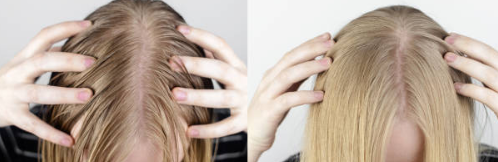
Styling and Care Guide for Dry Hair
Moisture is key: Use nourishing shampoo and conditioner; deep conditioning 1-2 times a week.
Avoid excessive heat: High-temperature curlers or blow dryers worsen dryness; consider heatless curlers or low-heat settings.
Use hair wax sticks wisely: Small amounts on ends or curves for natural, soft hold.
Nighttime care: Apply a little hair oil or wax stick before bed; comb in the morning to maintain curl or shape.
Styling and Care Guide for Oily Hair
Oil control: Use refreshing shampoos and avoid heavy conditioners at the roots.
Lightweight styling: Matte wax or light hair clay adds volume without greasiness.
Smart use of tools: Blow dry on low airflow while lifting hair for long-lasting volume.
On-the-go touch-ups: Carry a small wax stick or dry shampoo spray to adjust your style anytime.
How to use hair wax stick? (For Both Dry and Oily Hair)
Moderate amount: About the size of your fingertip; too much makes hair greasy or sticky.
Follow hair flow: Apply from roots to mid-lengths, then ends for natural styling.
Work in sections: Style small bundles to avoid heaviness.
Pair with spray: For dry hair, a finishing spray locks shape and adds shine.
Recommended Product: coconut oil hair wax stick. Despite its name, it’s not greasy. It styles while nourishing your hair, suitable for both dry and oily types.

Daily Habits Affecting Hair Health
Regular routine: Late nights increase oil in oily hair and dryness in dry hair.
Healthy diet: Reduce fried foods and sugar, eat nuts and proteins for stronger hair.
Minimize touching: Frequent rubbing increases oiliness or frizz.
Exercise moderately: Improves blood circulation for healthier scalp and hair.
Mindset and Hairstyle
Accept your hair type: Dry or oily is normal; just choose the right styling approach.
Hairstyle isn’t stress: 5-10 minutes in the morning is enough; don’t worry about perfection.
Confidence is key: Your smile and confidence are the most attractive “style.”

Summary: Dry and Oily Hair Can Be Easily Managed
No matter your hair type, understanding your hair and its issues, choosing the right shampoo, conditioner, and styling products, makes it easy to maintain a great hairstyle.
Hair wax sticks, small curlers, and finishing sprays, combined with proper care and habits, keep your hair looking good all day.
Coconut oil hair wax stick make styling effortless without weighing down your hair.
Remember, hairstyle is just the exterior—confidence matters most. Mastering care and styling for dry or oily hair lets you enjoy beautiful hair even in a busy city life.